
Sustainable Bonds
 Sustainable Bonds
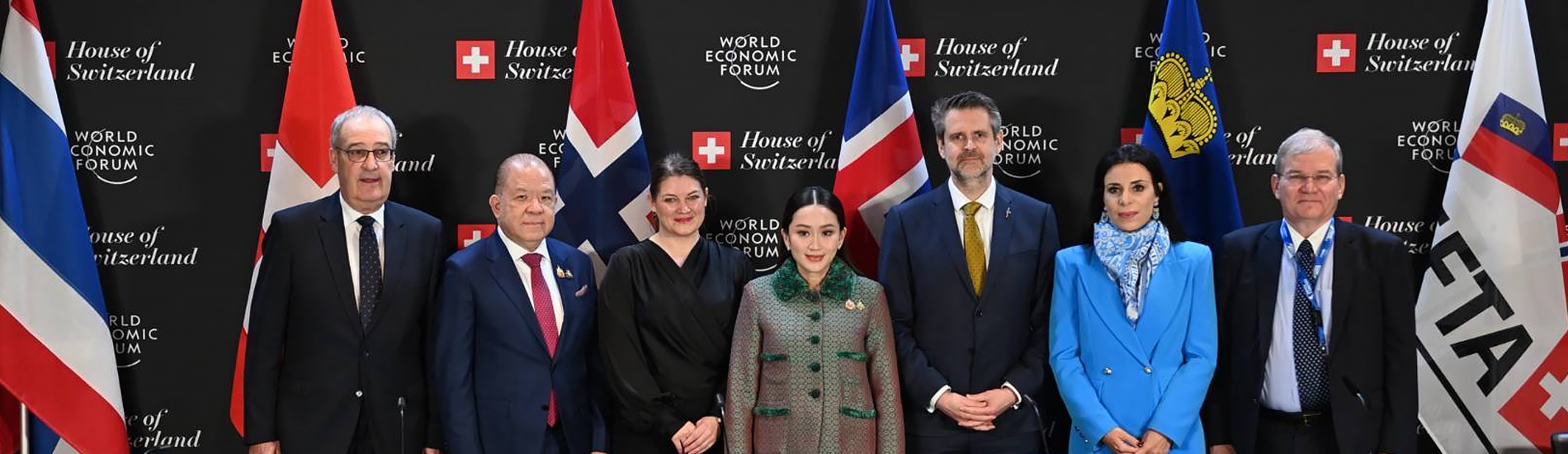
The signing of the EFTA-Thailand FTA in January 2025 was a watershed moment in more ways than one. While the positive impact of these deals is widespread, this agreement was unique in the fact it contained the most comprehensive provisions on climate change, compared to other FTAs between EFTA and other countries in the region. When the agreement enters into force, the EFTA countries and Thailand can work toward sustainable development while businesses will have the ability to collaborate on good governance standards moving forward.
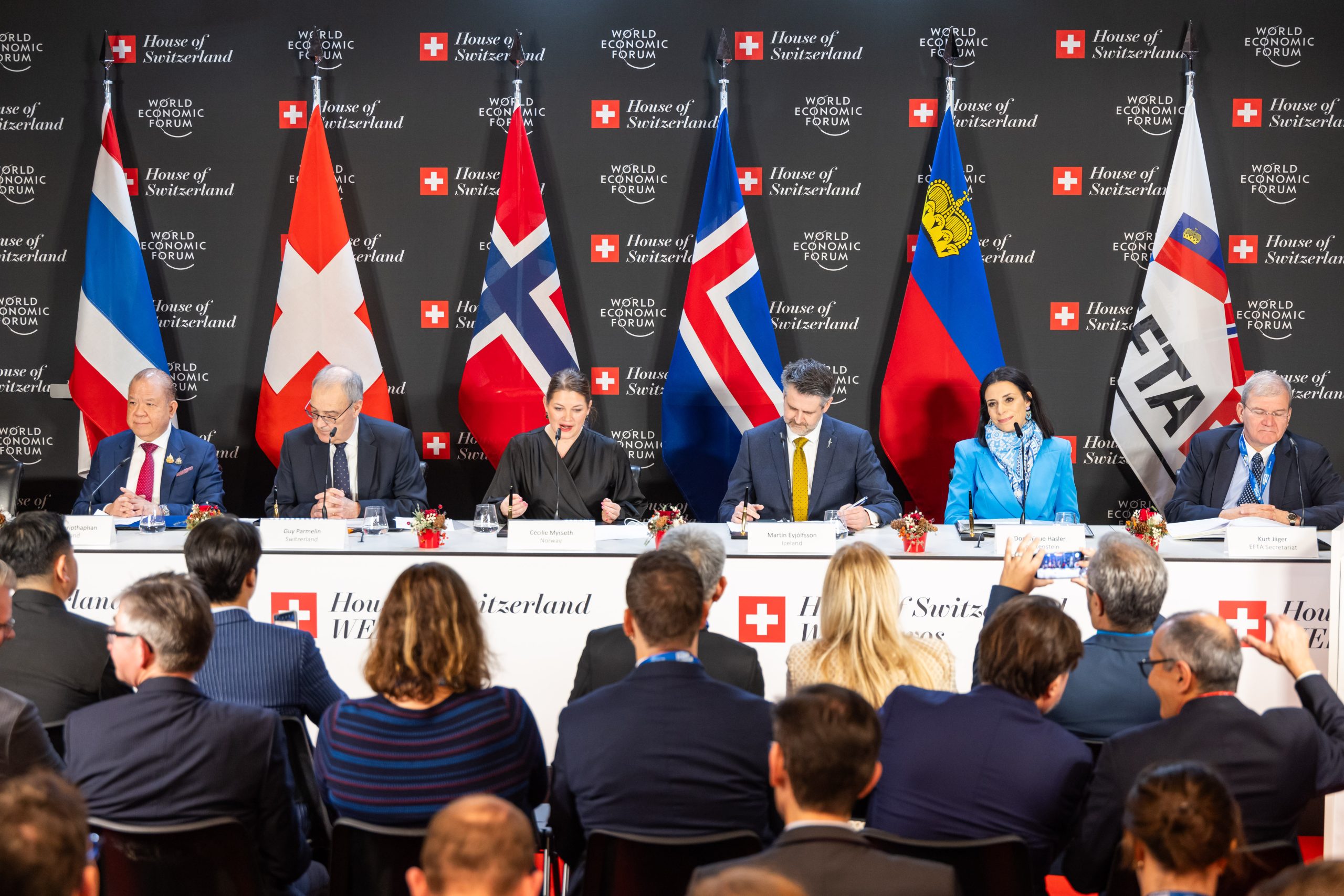
During the World Economic Forum Annual Meeting in January, the states of the European Free Trade Association (EFTA) Norway, Iceland, Switzerland and Lichtenstein and the Kingdom of Thailand signed a comprehensive Free Trade Agreement (FTA) that had been years in the making. After ten rounds of negotiations in Bangkok, Geneva and Oslo, each side put pen to paper on a deal that covered goods and services, investment, intellectual property rights, competition and government procurement.
However, it is the inclusion of provisions on sustainable development that makes this FTA a potential gamechanger for Southeast Asia. While EFTA has reached similar arrangements with Indonesia and the Philippines, negotiations with Thailand included the most comprehensive provisions on climate change.
The EFTA–Thailand FTA includes a comprehensive chapter on trade and sustainable development. Key areas include sustainable management of natural resources such as forestry, biological diversity, fisheries and aquaculture, agriculture, and food systems,” H.E. Ms Astrid Emilie Helle, the Ambassador of Norway to Thailand and Cambodia, explains. “We commit to effectively implement the multilateral environmental agreements we are a party to, including the United Nations Framework Convention on Climate Change (UNFCCC) and the Paris Agreement.”
Additionally, the agreement emphasises the protection of fundamental labour rights, in line with International Labour Organisation (ILO) conventions, and the promotion of gender equality and non-discrimination. There is also a section that introduces the possibility of an expert panel nominated to resolve disputes on these issues.
In terms of sustainable development, cooperation and knowledge sharing are notable components of the FTA. The goal is to strengthen trade in a manner that promotes environmental and social responsibility.
“The EFTA–Thailand FTA offers potential for collaboration through its framework for technical cooperation and capacity building. The framework facilitates cooperation and capacity building, aiming to foster the competitiveness of goods and services while also contributing to sustainable development,” Ambassador Helle explains.
Another notable aspect of the FTA is the creation of a Joint Committee tasked with supervising and administering the agreement. This committee will contain representatives from EFTA and Thailand and was included to foster good governance and practices.
“By meeting regularly, the Joint Committee can assess progress, share best practices, and discuss how both sides can be aligned in establishing and maintaining high standards,” Ambassador Helle states.
The agreement, which still needs to be ratified by the Thai parliament and the EFTA member states, further strengthens trade ties between the EFTA States and Thailand. Total trade value surpassed USD9 billion in 2023 with the collection of Iceland, Liechtenstein, Norway, and Switzerland representing the Kingdom’s 16th largest trading partner.
Work in progress
In many ways, the signing of the deal in Davos was crossing the starting line. FTAs take time to be rolled out. Progress does not happen overnight. An important aspect of the agreement between EFTA and Thailand is that the roadmap for sustainable development is now in place.
“It is difficult to measure the results of the FTA as it relates to sustainability, and consequently difficult to say how long it will take to see such results,” Ambassador Helle notes. “The parties commit to existing obligations under trade and sustainable development provisions in the agreement. Tangible results will depend on the implementation of these commitments. The Joint Committee can assess progress, share best practices and discuss how both sides can be aligned in establishing and maintaining high standards.”
Ultimately, the inclusion of sustainable development in the EFTA–Thailand FTA is the foundation for expanding efforts. Both sides can use it as a platform for bigger and better things. However, it should not be solely relied on as a catalyst.
“Companies in Thailand can align their strategies with international standards on environmental protection, labour rights and ethical practices. The EFTA–Thailand FTA can help by providing access to markets under preferential terms while ensuring that all parties commit to sustainable practices,” Ambassador Helle explains. “The agreement’s provisions on trade and sustainable development offer a solid framework for businesses to build on.”
All parties are working to ensure the agreement can have a significant impact.
“We will focus on implementing the EFTA–Thailand FTA by providing businesses with information and support through our official websites and contact points,” Ambassador Helle says. “We will collaborate with trade chambers and government bodies to increase awareness of the agreement’s benefits and thus contribute to its long-term positive impact on both Norwegian and Thai industries.”
Gaining traction
The FTA with Thailand marks the third such deal struck in Southeast Asia. Agreements took effect in the Philippines in 2018 and Indonesia in 2021. Each was significant and contained some elements related to sustainability.
The FTA with the Philippines covered several areas, including the promotion of employment practices, forest law governance and enforcement, and the facilitation of investment in goods and services capable of contributing to sustainable development.
Meanwhile, the FTA with Indonesia included a chapter dedicated to sustainable development with a focus on environmental protection obligations and workers’ rights. The most recent deal with Thailand takes things a step further.
“The FTA with Thailand represents the most modern and comprehensive chapter on sustainable development EFTA has agreed with any partner in Asia. It includes stronger commitments on environmental protection, climate action, labour rights and gender equality, building on past agreements,” Ambassador Helle details. “Notably, it is EFTA’s agreement with the most comprehensive provisions on climate change in the region, also including a panel of experts for dispute resolution.”
With EFTA in negotiations with both Malaysia and Vietnam, it is possible for sustainable development to be further included in additional FTAs across Southeast Asia.
“Consistently adding more and more FTAs with concrete commitments on trade and sustainable development to our network is one way EFTA States can contribute to sustainable development. In addition, the increased focus on monitoring and implementation should better allow us to assess how we can best and continuously strengthen our efforts in the time to come,” Ambassador Helle reports.
She continues, “With this newly concluded review of the chapter, not only have new provisions on environment and gender and updated provisions on labour been added, but also the monitoring and implementation of the commitments have been strengthened by the newly introduced possibility to establish a panel of experts to make recommendations towards the resolution of any issue that may arise.”
Fact Box
- Thailand and EFTA signed a comprehensive FTA in January 2025 after ten rounds of negotiations
- EFTA already has FTAs in place with the Philippines, Indonesia and India
- The FTA with Thailand includes the most comprehensive chapter on climate change, compared to other agreements EFTA has with other partners in the region
- Total trade value between the two sides surpassed USD9 billion in 2023
- Sustainable management of natural resources such as forestry, biological diversity, fisheries and aquaculture, agriculture and food systems are covered in the FTA
- Both sides are now exploring ways to provide businesses with information and support
For other interesting articles from our members and chamber activities, please visit our website.